

Natural gas prices surged as forecasts of a major Arctic blast raised concerns about energy supply disruptions across much of the United States. The cold weather is expected to bring subzero temperatures to parts of the Midwest while heavy snow is forecast for the Northeast and Mid-Atlantic regions. Energy producers, utilities, and federal officials are preparing for potential strain on fuel supplies and power systems as heating demand rises.
Texas has emerged as a central concern in energy markets, given its history with severe winter weather and its reliance on electricity for heating. Unusually cold temperatures threaten to freeze oil and gas wells in the state, potentially limiting fuel production at a time when demand is climbing. Electricity prices in Texas have already risen sharply ahead of the weekend, reflecting concerns about grid reliability and fuel availability.
The strongest price increases in natural gas markets have been concentrated in near-term deliveries. Futures for February delivery recorded their largest three-day percentage gain on record, rising from just over $3 per million British thermal units at the end of the previous week to more than $5. Traders expect that frozen wells could block a significant portion of U.S. gas production, forcing heavy withdrawals from storage to meet heating and power generation needs. Forecasts indicate that the two-week period ending in early February could be the coldest since the mid-1980s, increasing the likelihood of sustained supply pressure.
Grid operators in Texas are closely monitoring conditions as electricity demand is expected to peak early in the week. Corey Amthor, president of Enchanted Rock, said the greatest risk for the Texas grid is expected Monday morning, when demand could reach approximately 82,000 megawatts. While recent investments in solar and battery storage have helped support the grid during summer heat waves, winter conditions present different challenges. Solar generation is limited during overnight and early morning hours, and battery systems typically provide only short-duration power before requiring recharging.
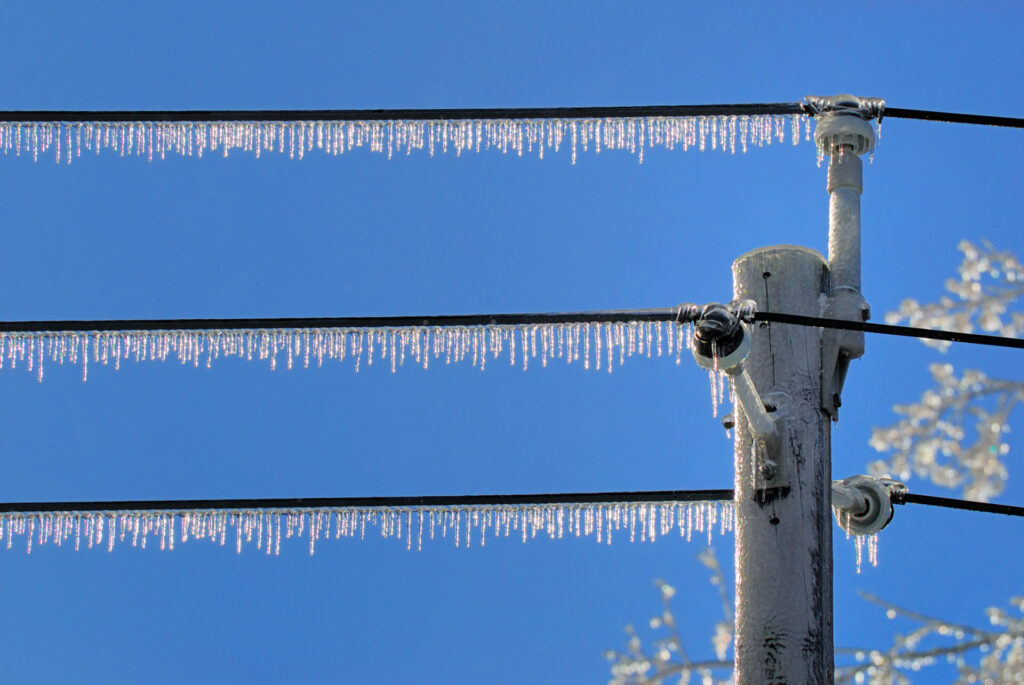
Wholesale electricity prices for overnight hours have risen sharply as a result of these constraints. State officials and industry leaders note that conditions are not expected to reach the severity of the 2021 winter storm that caused widespread outages and fatalities. Since that event, power producers have been required to improve winterization efforts. Even so, forecasts of ice accumulation raise concerns about downed power lines and localized outages, particularly in West Texas, where oil and gas producers are already seeing wells freeze. Analysts estimate that as much as 18 percent of daily U.S. natural gas production could be temporarily shut in during the cold spell, a level that would exceed disruptions seen in recent winters.
Read the full article from The Wall Street Journal here.