[datacenter_tag_image]

Powering AI infrastructure demands new approaches to utility collaboration, project delivery, and infrastructure planning. Projects moving forward today are proving that speed to power and long-term infrastructure planning can advance together with the right strategy.
It was great joining James Schichtl of El Paso Electric Company at Infocast Events PowerUp Data Center conference to dig deeper into that topic.
One theme resonated throughout our conversation: the industry does not have the luxury of waiting for traditional delivery models to catch up with demand. AI power requirements are not slowing down, and customers need practical solutions now. Solutions that create certainty around project timelines while supporting long-term grid planning are particularly valuable in both time and money.
The industry is finding new paths forward
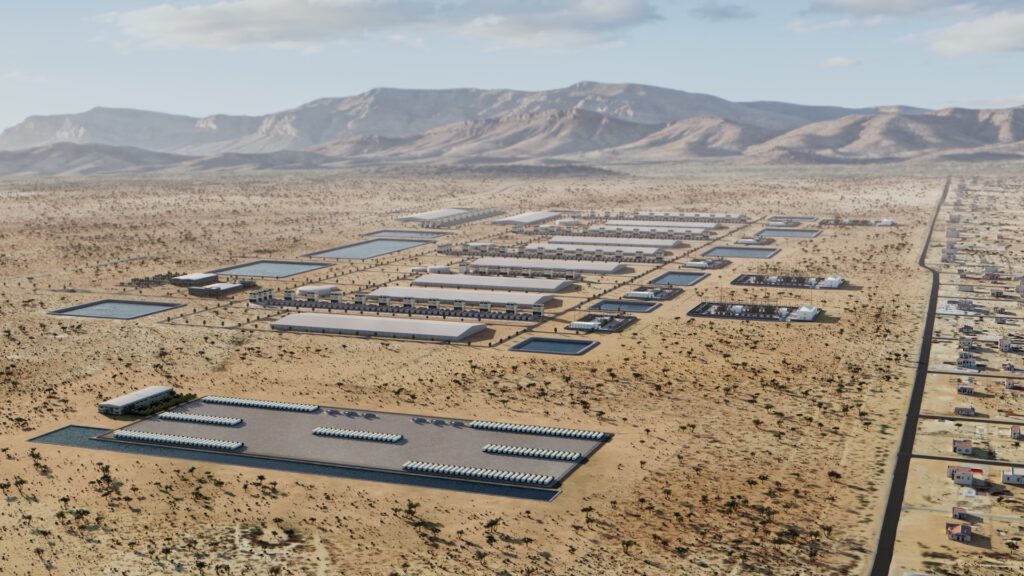
ERock and El Paso Electric’s approach to bridge power for a new Meta data center in Texas demonstrates what is possible when utilities and developers collaborate. It also reflects a broader shift in how hyperscalers achieve speed to power.
Our bridge-to-grid generation helps utilities bring new capacity online faster to serve load directly, moving projects forward while permanent utility infrastructure is developed. Once utility service becomes available, ERock’s generation does not stop working. They continue supporting customer operations while providing grid services where and when market rules allow.
The conversation around bring-your-own-generation (BYOG) is evolving as well. BYOG gives large-load customers a way to accelerate project timelines while supporting more coordinated utility planning. The most successful projects will be those that align customer needs, utility planning, and infrastructure development from day one, using onsite generation to meet near-term power needs while building a real pathway to a long-term, flexible grid interconnection.
Infrastructure planning that creates value for all stakeholders
Community engagement is also becoming an increasingly important part of AI infrastructure development. Communities are weighing the economic benefits of new development alongside questions about infrastructure impacts, water use, and electricity costs. ERock’s approach is built around helping customers address those priorities through low-water-use onsite generation, flexible commercial models, and close collaboration with utilities and local stakeholders.
ERock’s collaboration with El Paso Electric on the Meta project demonstrates how utility and infrastructure providers can work together to create additional flexibility for both customers and communities. By planning for both near-term power needs and long-term grid integration from day one, projects can move forward more strategically while supporting broader infrastructure objectives.
The growing demand does not need to wait
The industry does not need more theory or future solutions that may fall short when the time comes. It needs proven models that can be deployed today. As AI infrastructure demand continues to grow, expect the shift toward practical solutions that accelerate AI infrastructure.
The opportunities ahead are significant. Let’s keep the conversation going.
This article was originally published on LinkedIn.