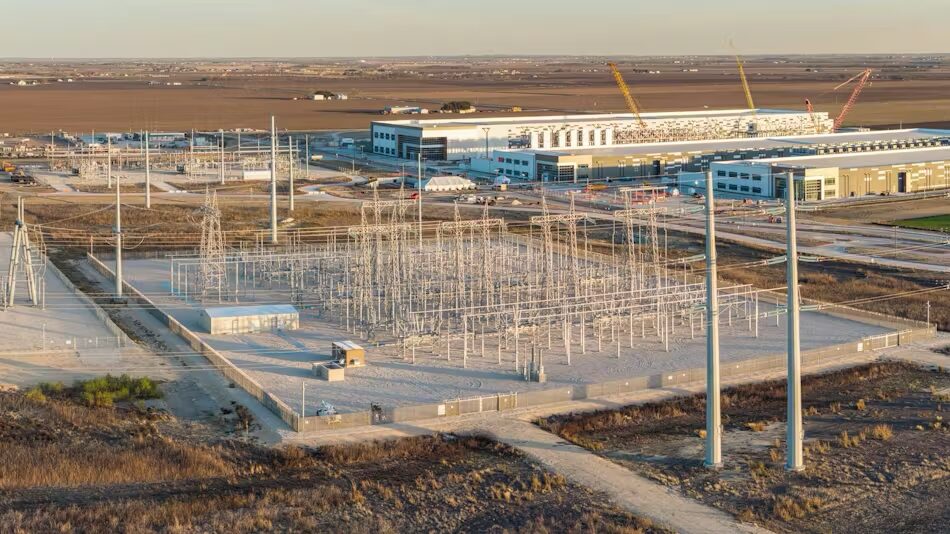
Rapid growth in AI data centers, advanced manufacturing, and electrification is creating a new class of large electric loads that does not align with traditional grid planning timelines or infrastructure development cycles. These customers are often viewed as a source of system strain, but they also highlight a broader structural challenge: how to integrate fast-moving demand growth while maintaining reliability, affordability, and grid security.
Utilities are managing aging infrastructure, renewable integration, labor shortages, supply chain constraints, and rising capital costs, all of which place upward pressure on electricity rates. Without new demand or cost-offsetting mechanisms, affordability pressures are likely to continue. Large load customers are commonly associated with transmission expansion needs and costly upgrades, but when strategically integrated they can also serve as grid-supporting assets.
Dispatchable generation located at or near major load centers can reduce dependence on firm transmission capacity, defer certain infrastructure investments, and free existing grid capacity for broader use. These resources can also provide peaking capacity and essential grid services such as frequency response and voltage support, improving overall system stability. Compared with traditional diesel backup systems, dispatchable natural gas generation offers greater flexibility through market participation, demand response, and dynamic operation.
Examples in ERCOT and PJM demonstrate how flexible onsite or near-site generation can help address reserve margin pressure, renewable intermittency, transmission congestion, and interconnection delays. Distributed generation also improves grid security by reducing reliance on centralized infrastructure and maintaining operations during physical, cyber, or weather-related disruptions.
Future grid development will depend on integrating flexibility into both planning and operations. Strategically deployed dispatchable, load-centered generation can reduce constraints, lower costs, improve reliability, and strengthen grid security while supporting continued load growth.
This article was originally published by T&DWorld